What Is the Difference Between Retractable, Fabric, and Metal Awnings?
OVERVIEW
Awning shopping gets confusing fast once terms like retractable, fabric, and metal start getting used interchangeably — even though they describe different features, materials, and designs. This guide clears up the confusion by breaking down what separates these three awning options, how each one works, and which type may fit different homes and outdoor spaces. By the end, choosing between them should feel a lot less like guesswork and more like a straightforward decision.
The main difference comes down to how an awning operates and what it is made from. Retractable describes an awning that can extend and retract as needed, while fabric and metal describe the covering or construction material. Retractable awnings commonly use fabric coverings; fixed fabric awnings stay in one position, and metal awnings use rigid aluminum or metal panels for permanent coverage.
Retractable awnings offer greater flexibility, fabric awnings provide a wide range of style options, and metal awnings provide fixed coverage with relatively low routine maintenance. The right choice depends on the space, desired coverage, appearance, and level of flexibility.
Retractable Awnings: Shade on Demand
Retractable awnings are built for homeowners who want more control over their outdoor space. Instead of staying in a single position, these awnings extend outward when shade is needed and retract when an open area or more sunlight is preferred. Depending on the system, operation may be manual or motorized.
This adaptability makes retractable awnings especially useful for decks, patios, porches, and other outdoor living areas where shade needs can change throughout the day. An awning can be extended during a sunny afternoon and retracted when an open view is preferred.
Some motorized systems may also be paired with sensors or other controls that respond to changing weather conditions, depending on the product. Retractable systems should always be operated according to the manufacturer’s recommendations, particularly during strong winds or severe weather.
Fabric Awnings: Style, Color, and Character
Fabric awnings are a popular choice when appearance matters as much as function. Made from materials such as acrylic or coated fabrics, they can come in a wide range of colors, patterns, and styles, making them a strong option for windows, entrances, porches, patios, and other areas where visual appeal is important.
Fabric awnings can be either fixed or retractable, so the word “fabric” refers primarily to the covering material rather than how the awning operates. Compared with rigid metal panels, fabric can offer greater flexibility in color, pattern, and overall appearance.
The right fabric can also be selected based on the intended application and the conditions it will face. Factors such as sunlight, moisture, cleaning requirements, and color retention are worth considering when comparing fabric options.
For homeowners who want an awning to complement the character of their property, fabric provides plenty of opportunities for customization.
Metal Awnings: Built for the Long Haul
Metal awnings are the heavy-duty option. Constructed from aluminum or galvanized steel, these structures are fixed in place and designed to handle decades of sun, rain, wind, and snow with little to no maintenance required.
Unlike fabric, metal won’t fade, tear, or need re-covering, which makes it a favorite for homeowners who want an install it and forget it solution over windows, doors, entrances, and porch roofs.
Styles range from standing seam and flat pan to corrugated metal, giving plenty of room to match a home’s existing roofline and color scheme. The trade-off is flexibility metal awnings don’t retract or adjust, so the coverage is permanent.
Key Factors to Consider Before Choosing
A few practical questions make the decision between these three types much easier.
- How much control is needed over sun exposure? Retractable wins for flexibility
- What’s the budget for upfront cost versus long-term upkeep? Fabric is often cheaper upfront; metal saves on maintenance over time
- What’s the climate exposure like? High humidity and heavy storms favor metal or high-grade weather-resistant fabric
- Is style or durability the priority? Fabric offers more color and design options; metal offers structural permanence
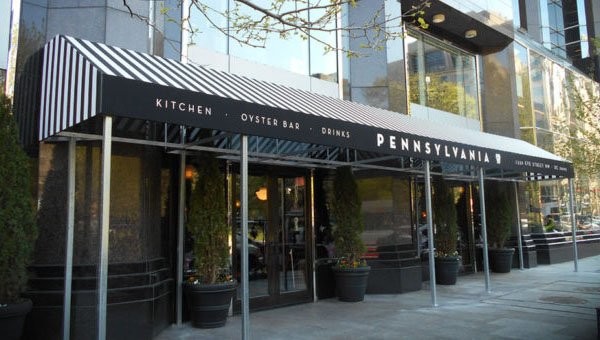
- Is this for a home or a business? Storefronts often lean toward fabric for branding; homes often mix both depending on the area covered.
Comparing Retractable, Fabric, and Metal Awnings
| Feature | Retractable | Fixed Fabric | Metal |
| Movement | Extends and retracts as needed | Stationary | Stationary |
| Maintenance | Moderate; fabric and mechanism may require care | Moderate; depends on fabric | Generally low routine maintenance |
| Style Options | Wide range of colors and fabrics | Wide range of colors, patterns, and styles | Different panel styles and finishes |
| Best For | Decks, patios, porches | Windows, entrances, porches, patios | Windows, doors, entrances, porch roofs |
| Weather Flexibility | High; coverage can be adjusted | Low; fixed coverage | Low; fixed coverage |
| Main Advantage | Adjustable shade | Design flexibility | Permanent coverage |
Which One Actually Makes Sense?
A homeowner who wants adjustable shade over a deck or patio may lean toward a retractable fabric system. A homeowner with a historic Baltimore rowhome who wants permanent, low-maintenance coverage over a front door may prefer a metal or aluminum awning. Someone who wants to add color and character around a window, entrance, or porch may prefer a fixed fabric design.
The best approach is to match the awning type to the actual use of the space rather than choosing based on appearance or price alone. The home’s architecture, available installation area, desired coverage, and maintenance expectations should all be considered.
Frequently Asked Questions
Q: Which is better, retractable or fixed awnings?
Ans: Retractable awnings are better for spaces where sun and weather conditions change throughout the day, while fixed awnings make more sense for consistent, year-round coverage where flexibility isn’t a priority.
Q: Are metal awnings more durable than fabric awnings?
Ans: Yes, metal awnings generally outlast fabric by a wide margin, often lasting 20 years or more with minimal upkeep, since they don’t fade, tear, or require re-covering the way fabric eventually does.
Q: Do retractable awnings need a lot of maintenance?
Ans: Retractable awnings need moderate maintenance, including occasional fabric cleaning and mechanical checks on the crank or motor system, but this is generally manageable with routine seasonal care.
Q: Can fabric awnings be retractable too?
Ans: Yes, fabric refers to the material rather than the movement, so fabric awnings can be either fixed in place or built as retractable systems depending on the design.
Q: Which awning type is best for a storefront?
Ans: Fabric awnings are typically preferred for storefronts because they allow for custom colors, patterns, and branding, though metal is sometimes chosen for a more modern, minimal look.
Ready to Choose the Right Awning?
Comparing options is one thing — getting the right fit for a specific home or business is another. Let A. Hoffman Awning Co. design and build the awning that actually matches the space, the climate, and the look that’s wanted.


You May Also Like