What Are the Best Types of Awnings for Homes in Maryland?
Overview
Maryland’s changing weather can make outdoor spaces difficult to enjoy year-round. Awnings can provide shade, added coverage, and greater comfort for patios, decks, windows, and entrances. This guide explores the best awning options for Maryland homes and explains how to choose one based on your home’s design, outdoor space, and coverage needs.
For many Maryland homeowners, a retractable fabric awning can be a versatile choice for decks, patios, and porches because it allows you to adjust the amount of shade as needed. Extend it on a sunny day, retract it when conditions change, and open the space when you want more sunlight. However, the best awning depends on what you’re trying to cover.
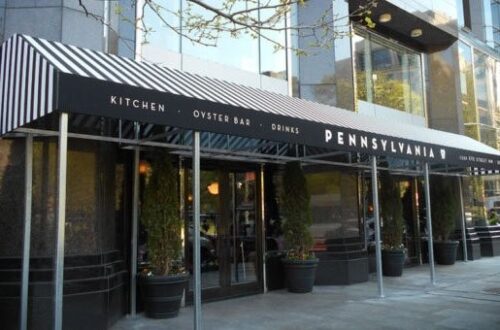
Aluminum and metal awnings can be a better fit when permanent, low-maintenance coverage is the priority for windows, doors, entrances, and other areas. The home’s architecture, installation location, sun exposure, and desired level of flexibility should all play a role in the decision.
Why Maryland’s Climate Makes Awnings Worth It
Maryland experiences hot, humid summers, seasonal rain, strong sunlight, and winter weather that can affect outdoor spaces and exterior surfaces. An awning can provide more than a style upgrade; it can help create shade and reduce direct exposure to sun and rain.
Depending on the location and design, an awning can:
- Help reduce solar heat and glare by blocking some direct sunlight
- Help limit sun and rain exposure to outdoor furniture and other surfaces
- Extend usable outdoor living space by creating a more comfortable shaded area
- Add architectural character to porches, decks, windows, and entryways
- Reduce indoor glare in areas that receive strong direct sunlight
- Provide additional coverage around windows, doors, and exterior spaces
Retractable Fabric Awnings: The Flexible Favorite
Retractable awnings are a popular choice for Maryland decks, patios, and porches, and for good reason. They let you control how much sun or shade you get through either a manual crank or a motorized system, depending on the product. Extend the awning when shade is needed, or retract it when you want a more open outdoor area.
Retractable awnings can also be useful as the seasons change. Homeowners may want more shade during hot summer afternoons while preferring an open area during cooler weather. Following the manufacturer’s operating recommendations is important, particularly when strong winds or severe weather are expected.
With different fabrics, colors, sizes, and operating options available, retractable awnings can be a good fit for homeowners who use their outdoor space often and want flexibility rather than permanent coverage.
Aluminum and Metal Awnings: Built to Last
If low routine maintenance matters more to you than flexibility, aluminum and metal awnings can be a strong option. Their fixed design makes them suitable for homeowners looking for consistent coverage over areas such as windows, doors, entrances, and porches.
These awnings generally require less routine maintenance than fabric systems and do not need to be retracted when shade is no longer needed. Depending on the design, aluminum and metal awnings can also complement traditional and contemporary home styles.
Common designs include standing-seam and flat-pan awnings, with the appropriate choice depending on the home’s architecture, installation area, and desired appearance.
This option can work well for homeowners who want a permanent, durable structure without the operating requirements of a retractable system.
Basement and Stairway Awnings: Small Awning, Big Protection
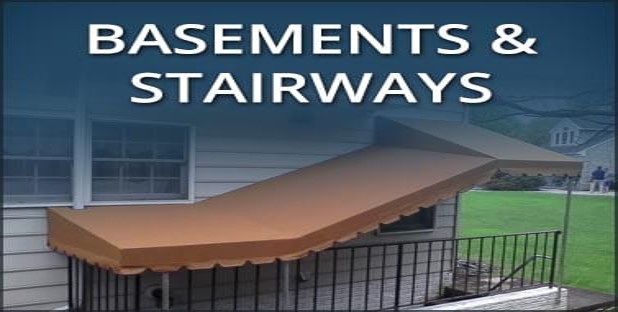
Window wells and basement stairwells are easy to overlook, but they’re some of the most common places for water damage and debris buildup in Maryland homes. A basement or stairway awning keeps rain and leaves out of window wells and stairwells, which in turn reduces the risk of basement flooding and moisture damage over time.
Their compact, purpose-built design fits tight spaces without adding bulk, and like most metal-based options, they require very little maintenance once installed. This makes them an easy, long-lasting fix for homes with below-grade entrances or window wells prone to water pooling.
Pergolas and Free-Standing Structures: Defined Outdoor Living
For homeowners who want a true outdoor “room” rather than an extension of the house, pergolas and free-standing awning structures offer more design freedom. Because they stand independently of the home’s exterior wall, they can be placed to create a defined outdoor living or dining area anywhere in the yard, and they can be paired with curtains or screens for added privacy and wind protection.
Their size, shape, and material are highly customizable, which makes this option a strong fit for larger yards or patios where homeowners want a standalone shaded space rather than something attached directly to the house.
Carport Awnings: A Practical Alternative to a Garage
Not every home has garage space, and a full garage build isn’t always in the budget. Carport awnings offer a cost-effective middle ground, protecting vehicles from sun, rain, and snow at a fraction of the cost of building a full garage. Constructed from low-maintenance metal or aluminum, they can be matched to the home’s existing roofline and color scheme, so they blend in rather than stand out. For homeowners who need vehicle protection without a full structural addition, this is typically the most practical option.
Comparing Awning Types at a Glance
| Awning Type | Best For | Maintenance | Weather Flexibility |
| Retractable Fabric | Decks, patios, porches | Moderate; fabric may require routine care | High; can open and close as needed |
| Aluminum/Metal Fixed | Windows, doors, entrances | Low | Low; provides permanent coverage |
| Standing Seam/Flat Pan | Entrances, porches, residential areas | Low | Low; provides permanent coverage |
| Basement/Stairway | Window wells, basement stairways | Low | Low; provides permanent coverage |
| Pergola/Free-Standing | Patios, yards, outdoor living areas | Low to moderate | Moderate; depends on design |
| Carport | Driveways and vehicle coverage | Low | Low; provides permanent coverage |
Choosing the Right Fabric and Material
Beyond the awning style itself, the material can affect its appearance, maintenance needs, and performance in Maryland’s sun and changing weather.
- Solution-dyed acrylic – commonly selected for its color retention and resistance to fading
- Vinyl-coated fabrics – can provide water resistance and are available for certain awning applications
- Aluminum panels – provide a fixed option with relatively low routine maintenance
- Metal framing – can provide structural support for larger or fixed awning systems, depending on the design
The best material depends on the specific awning, installation location, and manufacturer’s specifications. Homeowners should consider both appearance and practical maintenance requirements when comparing options.
How to Choose the Right Awning for Your Home
The right choice usually comes down to three questions: What are you protecting a window, a deck, or a whole outdoor living area? How much flexibility do you want- retractable versus permanent? And what style matches your home’s architecture, since a historic Baltimore rowhome calls for a different look than a modern suburban build?
If you’re unsure, walking through real examples with a local awning specialist is the fastest way to land on the right fit, since they can factor in your home’s sun exposure, wall material, and neighborhood style guidelines.
Frequently Asked Questions
Q: What is the best awning fabric for humid climates like Maryland’s?
Ans: Solution-dyed acrylic and vinyl-coated fabrics hold up best in Maryland’s humidity because they resist mold, mildew, and moisture absorption while still holding their color in strong summer sun.
Q: Are retractable awnings worth it in Maryland?
Ans: Yes — because Maryland’s weather shifts quickly between sun, rain, and wind, a retractable awning lets you get shade when you want it and avoid wind or storm damage by retracting it when the weather turns.
Q: How much does a home awning cost in Maryland?
Ans: Cost varies widely based on size, material, and whether it’s motorized, since a simple fixed aluminum awning over a window will cost far less than a large custom retractable system for a deck or patio.
Q: Do awnings increase home value?
Ans: A well-built, well-maintained awning can boost curb appeal and make outdoor living space more usable, which buyers generally view as a bonus, though the value impact depends on quality and how well it matches the home’s style.
Q: How long do aluminum awnings last compared to fabric ones?
Ans: Aluminum and metal awnings typically outlast fabric awnings by a wide margin, often lasting 20 years or more with minimal upkeep, while fabric awnings may need recovering every 10 to 15 years depending on sun exposure and care.
Ready to Shade Your Home the Right Way?
Every Maryland home is different, and the best awning for your house depends on details a quick web search can’t capture. A. Hoffman Awning Co. can help homeowners explore custom awning options based on their home’s design, installation area, desired coverage, and outdoor living needs. With more than 100 years of awning experience in Baltimore, the company offers residential solutions designed for a range of homes and applications.

You May Also Like